Kidney Health and Electrolytes: A Function, and Longevity

Your kidneys are among the most vital organs in your body, quietly working 24/7 to keep your internal environment stable. They filter waste, regulate fluids, balance electrolytes, and support overall health. Yet, many people only think about kidney health when problems arise. Electrolytes—minerals like sodium, potassium, calcium, and magnesium—play a crucial role in how your kidneys function. When these minerals fall out of balance, it can affect everything from hydration and nerve function to heart rhythm and muscle control. This comprehensive guide explores the relationship between kidney health and electrolytes, why balance matters, and how to maintain optimal kidney function for a longer, healthier life.
What Are Kidneys and Why Are They Important?
The kidneys are two bean-shaped organs located on either side of your spine, just below your rib cage. Despite their small size, they perform several life-sustaining functions: Filter waste products from the blood Remove excess fluids Regulate blood pressure Maintain electrolyte balance Produce hormones that support red blood cell production Every day, your kidneys filter about 50 gallons (≈190 liters) of blood to produce urine and remove toxins.
What Are Electrolytes?
Electrolytes are minerals in your body that carry an electric charge. They are essential for many bodily functions, including: Maintaining fluid balance Supporting nerve signals Enabling muscle contractions Regulating pH levels Key Electrolytes Include: Sodium (Na⁺) Potassium (K⁺) Calcium (Ca²⁺) Magnesium (Mg²⁺) Chloride (Cl⁻) Phosphate (PO₄³⁻)

The Connection Between Kidneys and Electrolytes
Your kidneys act as the body’s electrolyte control center. They constantly monitor and adjust levels of electrolytes in your blood. How It Works: Excess electrolytes are excreted through urine Deficiencies are corrected by conserving electrolytes Hormones help regulate this process If kidney function declines, electrolyte imbalances can quickly develop—leading to serious health issues. Common Electrolyte Imbalances 1. Sodium Imbalance Too much sodium can cause high blood pressure Too little can lead to confusion and fatigue 2. Potassium Imbalance High potassium (hyperkalemia) can affect heart rhythm Low potassium (hypokalemia) can cause muscle weakness 3. Calcium Imbalance Important for bones and heart function Imbalances may lead to bone disorders or kidney stones 4. Magnesium Imbalance Affects muscle and nerve function Low levels can cause cramps and irregular heartbeat
Foods That Support Kidney Health
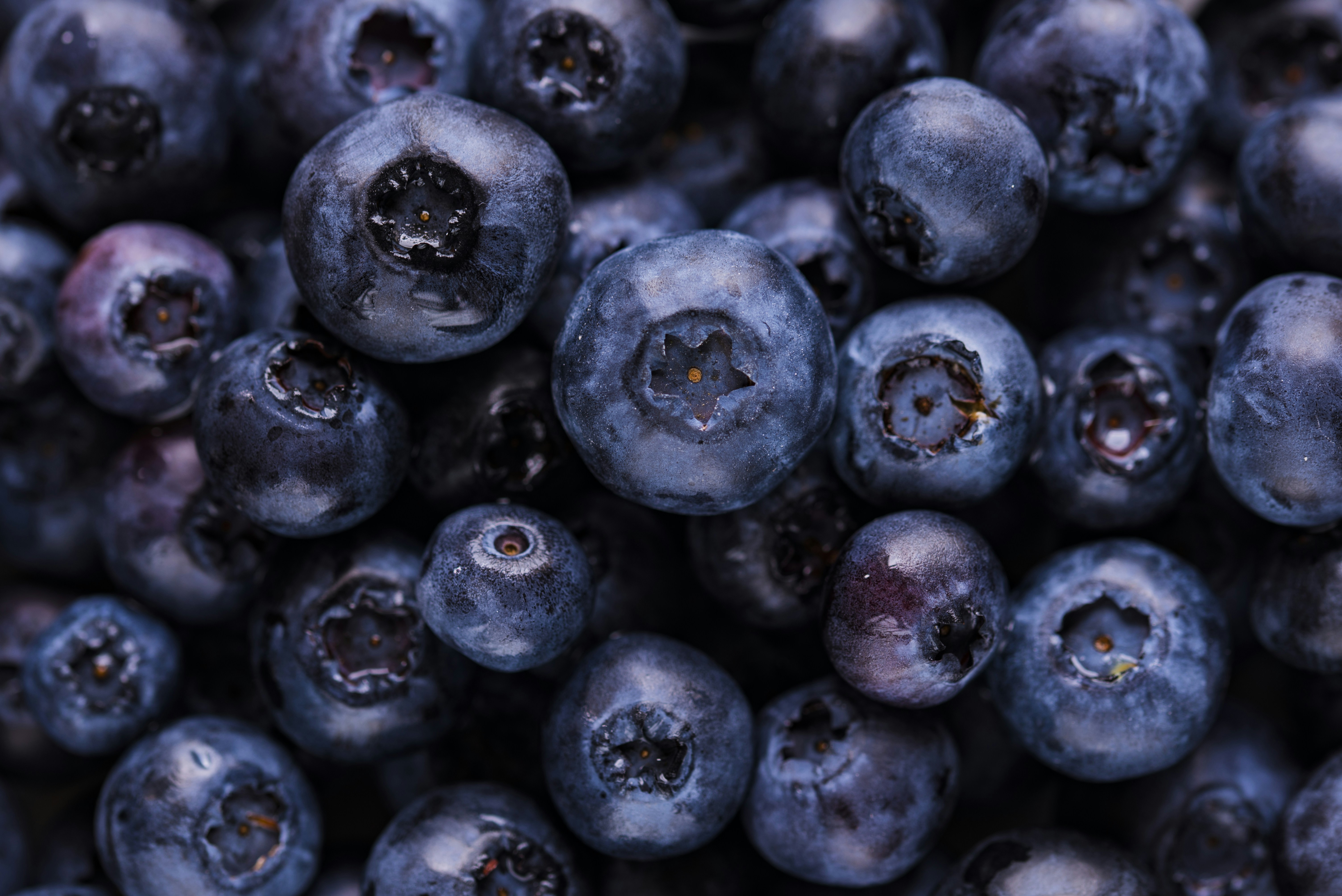
A kidney-friendly diet is essential for maintaining proper electrolyte balance. Recommended Foods: Leafy greens (spinach, kale) Fruits (bananas, berries, oranges) Whole grains Lean proteins (fish, chicken) Nuts and seeds Foods to Limit: Processed foods high in sodium Sugary drinks Excess red meat High-phosphorus foods
Hydration and Kidney Function
Water plays a critical role in kidney health. It helps dissolve waste and ensures smooth filtration. Benefits of Proper Hydration: Prevents kidney stones Maintains electrolyte balance Supports detoxification Tip: Aim for 6–8 glasses of water daily, more if physically active.
Lifestyle Habits for Healthy Kidneys
Maintaining kidney health goes beyond diet. Healthy Habits: Exercise regularly Maintain a healthy weight Avoid smoking Limit alcohol consumption Monitor blood pressure and blood sugar
Signs of Kidney Problems
Early detection is key. Watch out for: Fatigue Swelling in legs or face Changes in urination Muscle cramps Nausea If you notice these symptoms, consult a healthcare professional.
Kidney Health and Aging
As we age, kidney function naturally declines. However, lifestyle choices can slow this process. Tips for Longevity: Eat a balanced diet Stay hydrated Avoid excessive medication use Get regular health checkups

Electrolyte Balance for Athletes and Active People
Active individuals lose electrolytes through sweat, making replenishment important. Best Practices: Drink electrolyte-rich fluids Eat potassium-rich foods Avoid overhydration without electrolytes
Natural Ways to Maintain Electrolyte Balance
Coconut water (natural electrolyte drink) Fresh fruits and vegetables Balanced meals Moderate salt intake
Conclusion
Kidney health and electrolyte balance are deeply connected and essential for overall well-being. By adopting a balanced diet, staying hydrated, and maintaining a healthy lifestyle, you can support your kidneys and improve your quality of life.
Call to Action
Don’t wait until problems arise—start protecting your kidneys today. Make smarter food choices, stay hydrated, and stay active. Your health is your wealth—invest in it daily for a longer, healthier life.
Healthy Longevity App
Build healthy habits, boost your energy, and live a longer life naturally.
📲 Download on Google Play
Comments
Post a Comment