Natural Ways to Improve Energy Levels
 A strong immune system is essential for protecting your body against infections, illnesses, and diseases. While no single food can guarantee perfect health, a balanced diet rich in immune-boosting nutrients can significantly improve your body’s ability to defend itself. The good news is that many everyday foods contain powerful vitamins, minerals, and antioxidants that support immune function naturally.
In this comprehensive guide, we’ll explore the best foods that support immune health and how you can include them in your daily diet.
A strong immune system is essential for protecting your body against infections, illnesses, and diseases. While no single food can guarantee perfect health, a balanced diet rich in immune-boosting nutrients can significantly improve your body’s ability to defend itself. The good news is that many everyday foods contain powerful vitamins, minerals, and antioxidants that support immune function naturally.
In this comprehensive guide, we’ll explore the best foods that support immune health and how you can include them in your daily diet.
Fruits and Vegetables Rich in Vitamins
Fruits and vegetables are the foundation of a healthy immune system. They are packed with essential nutrients like vitamin C, vitamin A, and antioxidants that help fight infections. Citrus fruits such as oranges, lemons, and grapefruits are rich in vitamin C, which boosts the production of white blood cells. Vegetables like spinach, carrots, and bell peppers provide vitamin A, which supports the health of your skin and immune defenses. Try to include a variety of colorful fruits and vegetables in your meals to ensure you get a wide range of nutrients.
Prioritize Quality Sleep
Sleep is the foundation of your energy. Without enough rest, your body cannot function properly. Adults need around 7–9 hours of quality sleep each night. To improve sleep: Maintain a consistent sleep schedule Avoid screens before bedtime Create a calm and dark sleeping environment Avoid caffeine late in the day Good sleep restores your body and prepares you for the next day.
Eat Energy-Boosting Foods
Your diet plays a major role in how energetic you feel. Choose foods that provide steady energy rather than quick spikes. Best energy foods: Whole grains (oats, brown rice) Fruits and vegetables Lean proteins (eggs, beans, fish) Healthy fats (nuts, seeds, avocado) Avoid sugary snacks and processed foods, as they can lead to energy crashes.
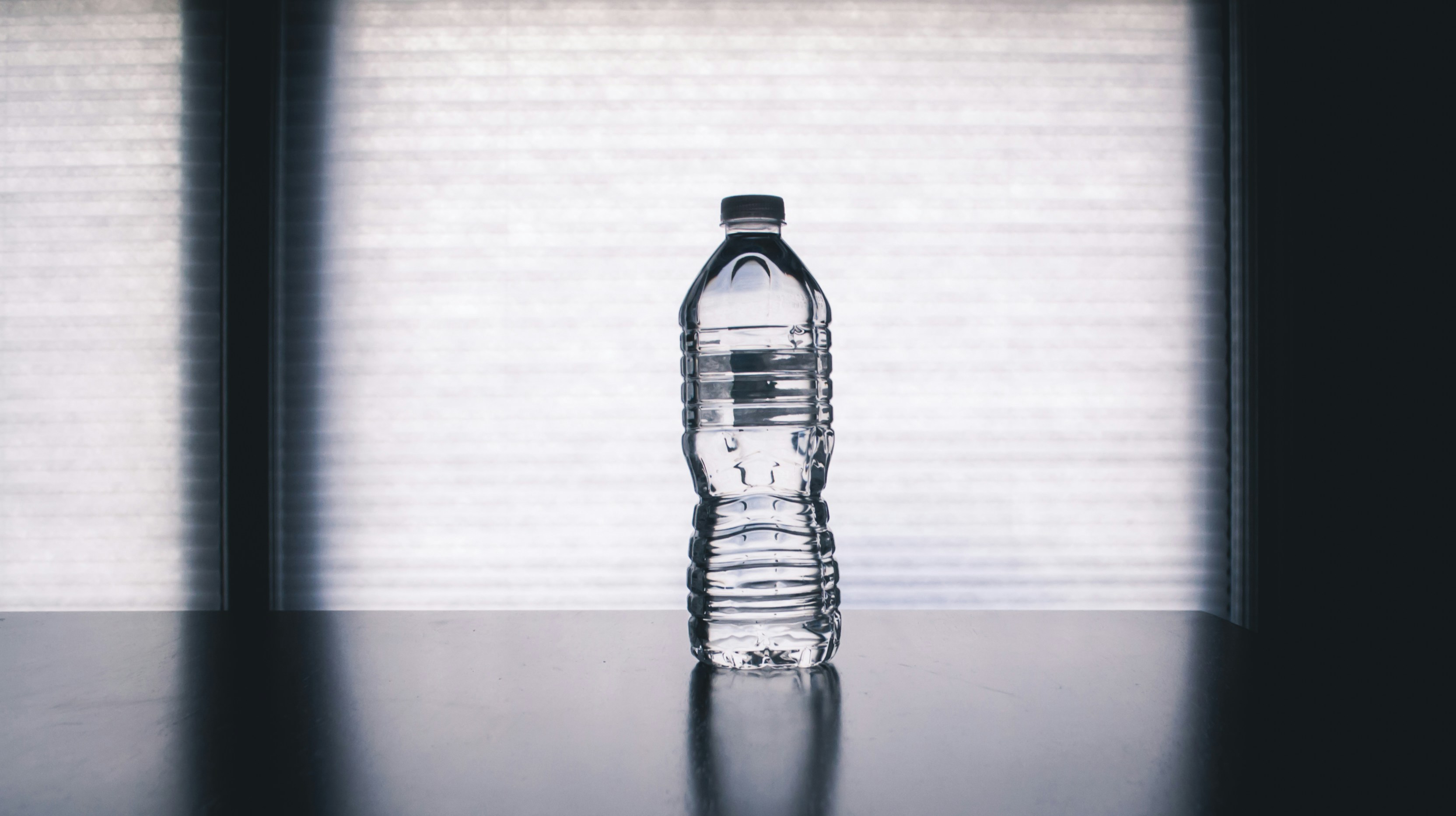
Stay Hydrated
Dehydration is a common cause of fatigue. Even mild dehydration can make you feel tired and less focused. Drink at least 6–8 glasses of water daily. Carry a water bottle and sip throughout the day to maintain hydration.
Exercise Regularly
It may sound surprising, but physical activity actually increases energy levels. Exercise improves blood circulation and oxygen flow in the body. You don’t need intense workouts: Take a 20–30 minute walk Do light stretching or yoga Try simple home workouts Regular movement reduces fatigue and boosts stamina.
Manage Stress Effectively
Chronic stress drains your energy quickly. Managing stress helps you feel more relaxed and energized. Try: Meditation or deep breathing Spending time in nature Listening to music Talking to someone you trust Reducing stress improves both mental and physical energy.
Get Morning Sunlight
Exposure to natural sunlight helps regulate your body clock and improves energy levels. Sunlight boosts vitamin D and enhances mood. Spend at least 15–30 minutes outside in the morning whenever possible.
Take Breaks and Avoid Overworking
Working continuously without breaks can lead to burnout and fatigue. Short breaks help refresh your mind and body. Try the 50/10 rule: Work for 50 minutes Take a 10-minute break This improves productivity and keeps your energy steady.
Use Natural Energy Boosters
Instead of relying on sugary drinks, choose natural options like: Green tea Herbal teas Fresh fruit smoothies These provide gentle and sustained energy without crashes.
Stay Mentally Active
Keeping your brain engaged can improve alertness and reduce fatigue. Activities like reading, learning new skills, or solving puzzles can boost mental energy.

Build Positive Social Connections
Spending time with positive people can boost your mood and energy levels. Social interaction reduces stress and improves emotional well-being.
Maintain a Balanced Lifestyle
Balance is key to maintaining energy. Avoid extremes and focus on: Work and rest balance Healthy eating habits Regular physical activity Quality sleep Consistency is more important than perfection
Conclusion
Improving your energy levels naturally is possible with simple lifestyle changes. By prioritizing sleep, eating nutritious foods, staying hydrated, exercising regularly, and managing stress, you can enjoy higher energy and better overall health. Remember, small daily habits create long-term results. Start with one or two changes and gradually build a routine that supports your energy and well-being.
Call to Action
Ready to boost your energy naturally? Start today by choosing one habit from this guide and putting it into action. Share this article with your friends and family, and follow our blog for more tips on health, wellness, and productivity. Your journey to a more energetic and healthier life begins now!
Healthy Longevity App
Build healthy habits, boost your energy, and live a longer life naturally.
📲 Download on Google Play


Comments
Post a Comment