Balanced Nutrition Habits for Beginners

Starting a healthy eating journey can feel overwhelming, especially with so much conflicting nutrition advice online. But balanced nutrition doesn’t have to be complicated. You don’t need expensive supplements, strict diets, or extreme meal plans to improve your health. The key is building simple, sustainable eating habits that nourish your body consistently. Balanced nutrition supports energy, brain function, immunity, weight management, and long-term disease prevention. Whether your goal is to feel healthier, lose weight, gain energy, or improve longevity, healthy eating habits are the foundation. This complete beginner-friendly guide will help you understand balanced nutrition and show you practical ways to build healthier eating habits for life.
What Is Balanced Nutrition?
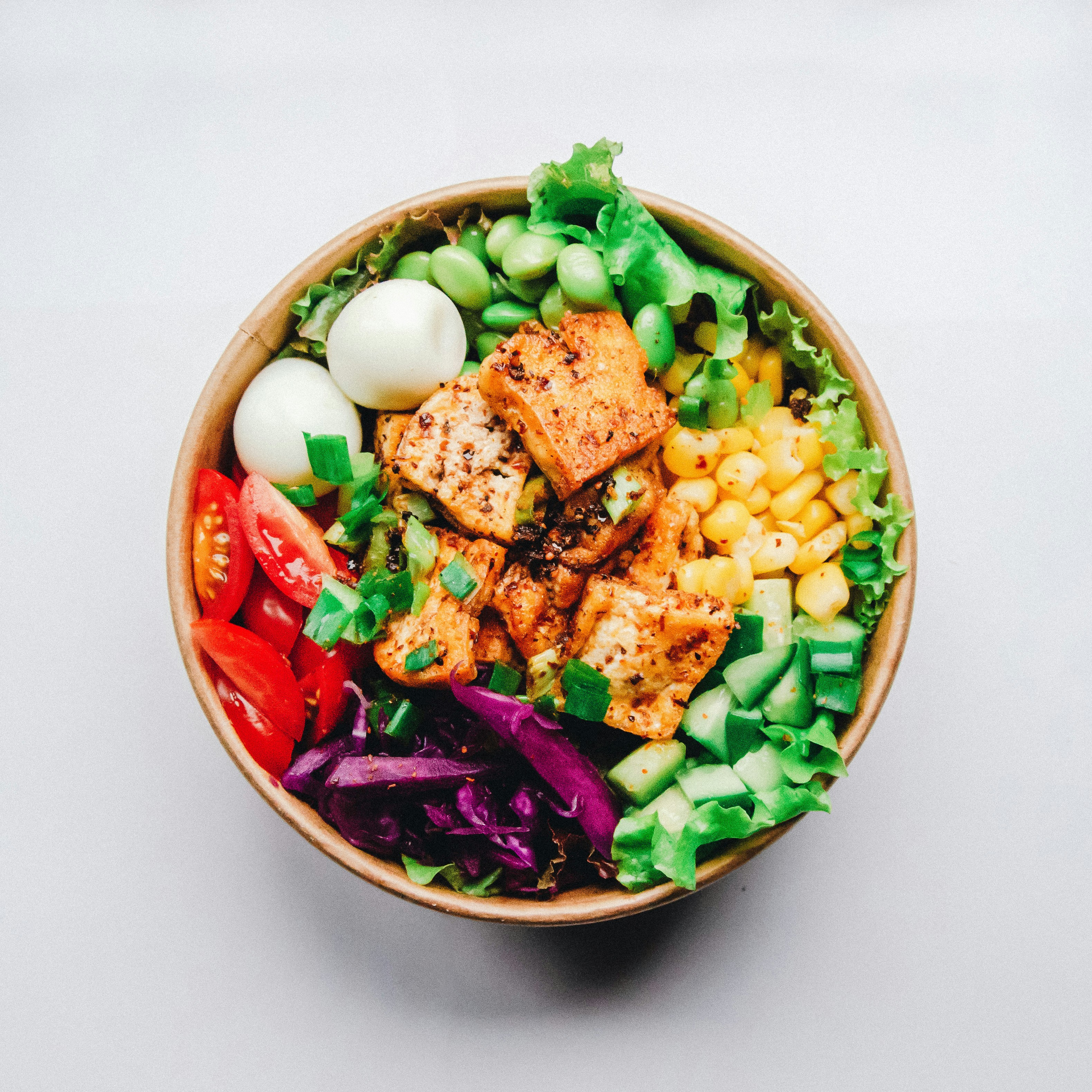
Balanced nutrition means eating a variety of foods that provide your body with the nutrients it needs to function properly. Your body requires: Carbohydrates for energy Protein for growth and repair Healthy fats for brain and hormone health Vitamins and minerals for immunity and body functions Water for hydration and circulation A balanced diet supports overall wellness and reduces the risk of chronic conditions like: heart disease Type 2 diabetes obesity
Why Balanced Nutrition Matters
Your daily food choices affect: Energy levels Mood and concentration Sleep quality Immune health Weight management Poor eating habits increase inflammation and raise the risk of disease over time. Balanced nutrition helps: Maintain healthy body weight Improve digestion Strengthen immunity Support long-term longevity
1. Understand Macronutrients
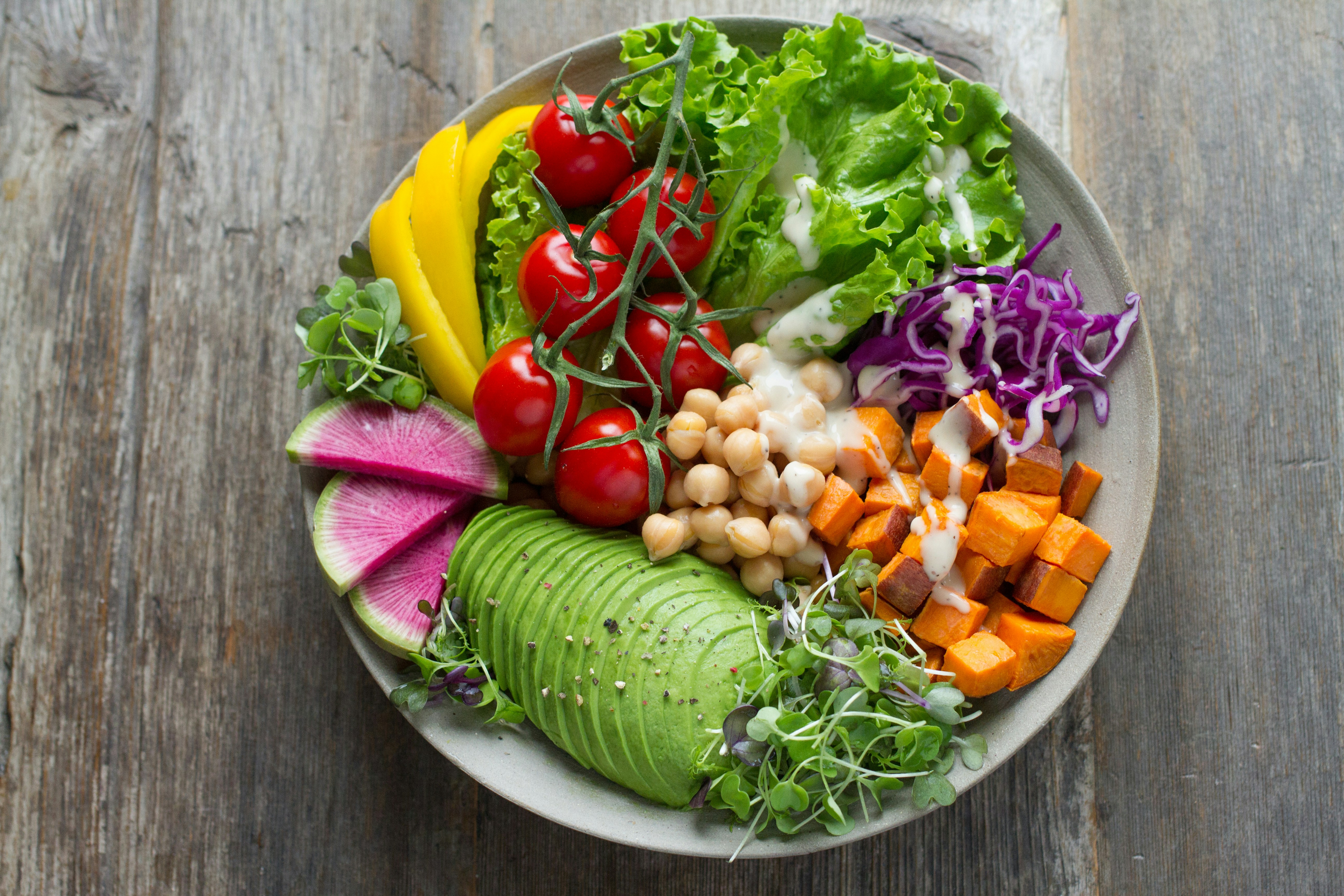
Macronutrients are nutrients your body needs in large amounts. Carbohydrates Carbs are your body’s main energy source. Healthy carbohydrate sources: Whole grains Brown rice Oats Fruits Avoid excessive refined sugars and processed snacks. Protein Protein supports muscle repair, hormones, and immunity. Healthy protein sources: Eggs Fish Beans Chicken Lentils Protein also helps you stay full longer. Healthy Fats Healthy fats are essential for: Brain function Hormone production Heart health Good fat sources: Avocados Olive oil Nuts and seeds
2. Fill Half Your Plate with Vegetables
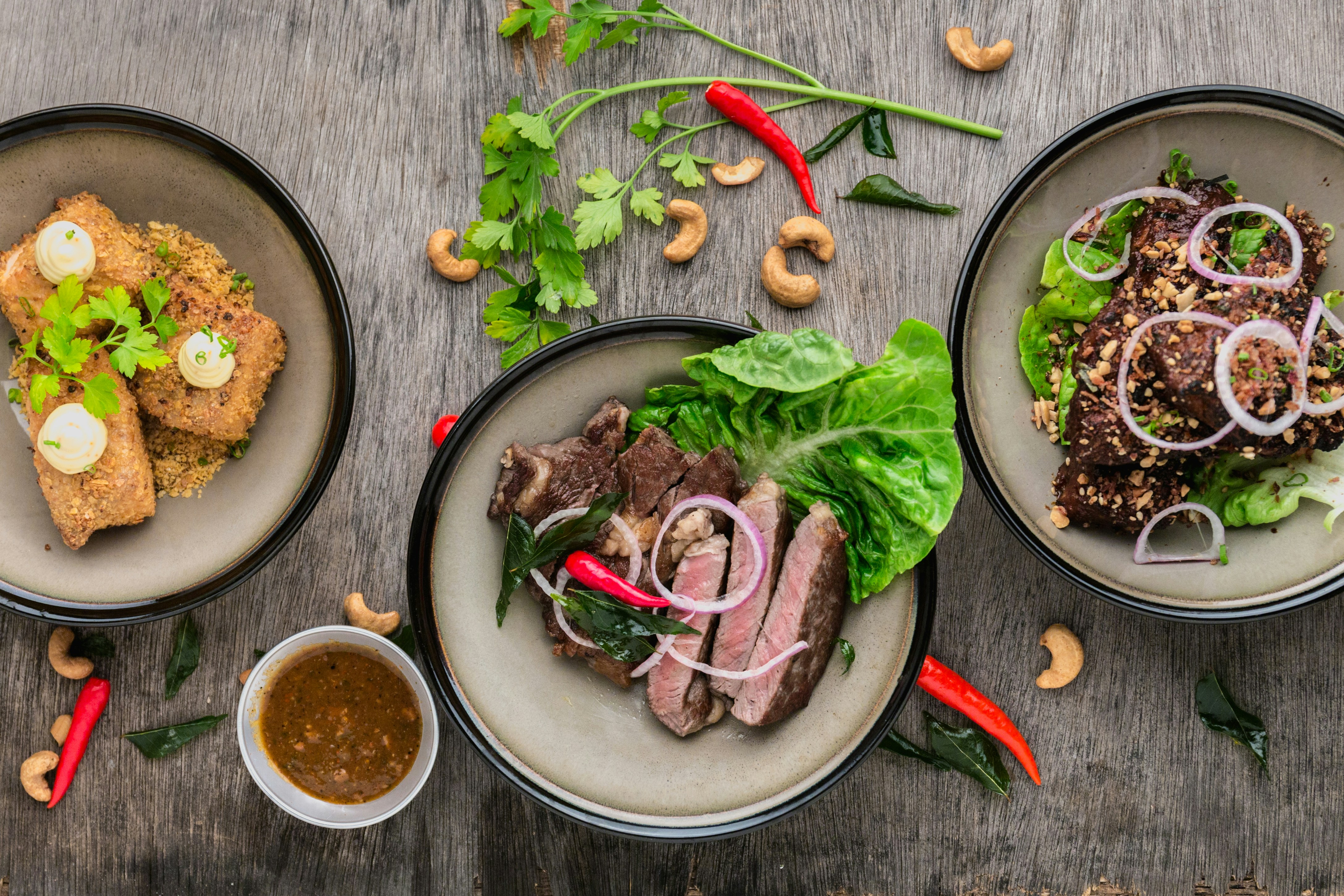
Vegetables are rich in: Fiber Vitamins Antioxidants These nutrients protect against disease and improve digestion. Easy Beginner Tips: Add vegetables to lunch and dinner Include colorful vegetables for more nutrients Try salads, steamed veggies, or stir-fries
3.Choose Whole Foods More Often
Whole foods are foods that are minimally processed. Examples: Fresh fruits Vegetables Whole grains Nuts Processed foods often contain excess sugar, sodium, and unhealthy fats. Reducing processed foods lowers the risk of: hypertension heart disease
4.Stay Hydrated
Water is essential for: Digestion Energy production Brain function Temperature regulation Beginner Hydration Tips: Carry a reusable water bottle Drink water before meals Replace sugary drinks with water Even mild dehydration can affect focus and energy.
5. Don’t Skip Meals
Skipping meals may lead to: Low energy Overeating later Poor concentration Aim for balanced meals throughout the day.
6.Learn Portion Control
Healthy eating is also about balance. Simple Portion Tips: Eat slowly Use smaller plates Stop when comfortably full Portion awareness helps prevent overeating without strict dieting.
7. Reduce Added Sugar
Too much sugar increases risk of: Type 2 diabetes obesity Simple Ways to Reduce Sugar: Drink less soda Limit sugary snacks Choose natural fruits instead
8. Plan Your Meals
Meal planning helps beginners stay consistent. Benefits: Saves money Reduces unhealthy eating Makes healthy choices easier Beginner Meal Prep Ideas: Cook grains in advance Wash fruits and vegetables ahead of time Prepare healthy snacks
9.Practice Mindful Eating
Mindful eating means paying attention while eating. Tips: Eat slowly Avoid distractions Focus on taste and hunger signals Mindful eating improves digestion and prevents overeating.
10. Nutrition and Sleep
Healthy eating improves sleep quality. Foods rich in magnesium and complex carbs support better rest. Poor eating habits can disrupt sleep and energy levels.
11. Combine Nutrition with Physical Activity
Exercise and nutrition work together for better health. Benefits include: Improved metabolism Stronger muscles Better heart health Regular movement lowers the risk of: heart disease stroke
Healthy Eating Is a Lifestyle
Balanced nutrition is not about perfection. You can still: Enjoy favorite foods occasionally Eat out sometimes Celebrate special events Consistency matters more than strict rules.
Common Beginner Nutrition Mistakes
Following Extreme Diets Strict diets are hard to maintain. Eliminating Entire Food Groups Your body needs balanced nutrients. Expecting Fast Results Healthy habits take time to show results.

Benefits of Balanced Nutrition
By developing healthy nutrition habits, you can: Increase energy levels Improve focus and mood Maintain healthy weight Support heart and brain health Improve longevity
Conclusion
Balanced nutrition doesn’t have to be complicated. The goal is not perfection—it’s progress. Small changes made consistently can transform your health over time. Start with simple habits: Drink more water Eat more vegetables Reduce processed foods Over time, these habits become part of your lifestyle and create lasting results.
Call to Action
Your health journey starts with one healthy choice at a time.
Healthy Longevity App
Build healthy habits, boost your energy, and live a longer life naturally.
📲 Download on Google Play


Comments
Post a Comment