Benefits of Fruits and Vegetables in Your Diet
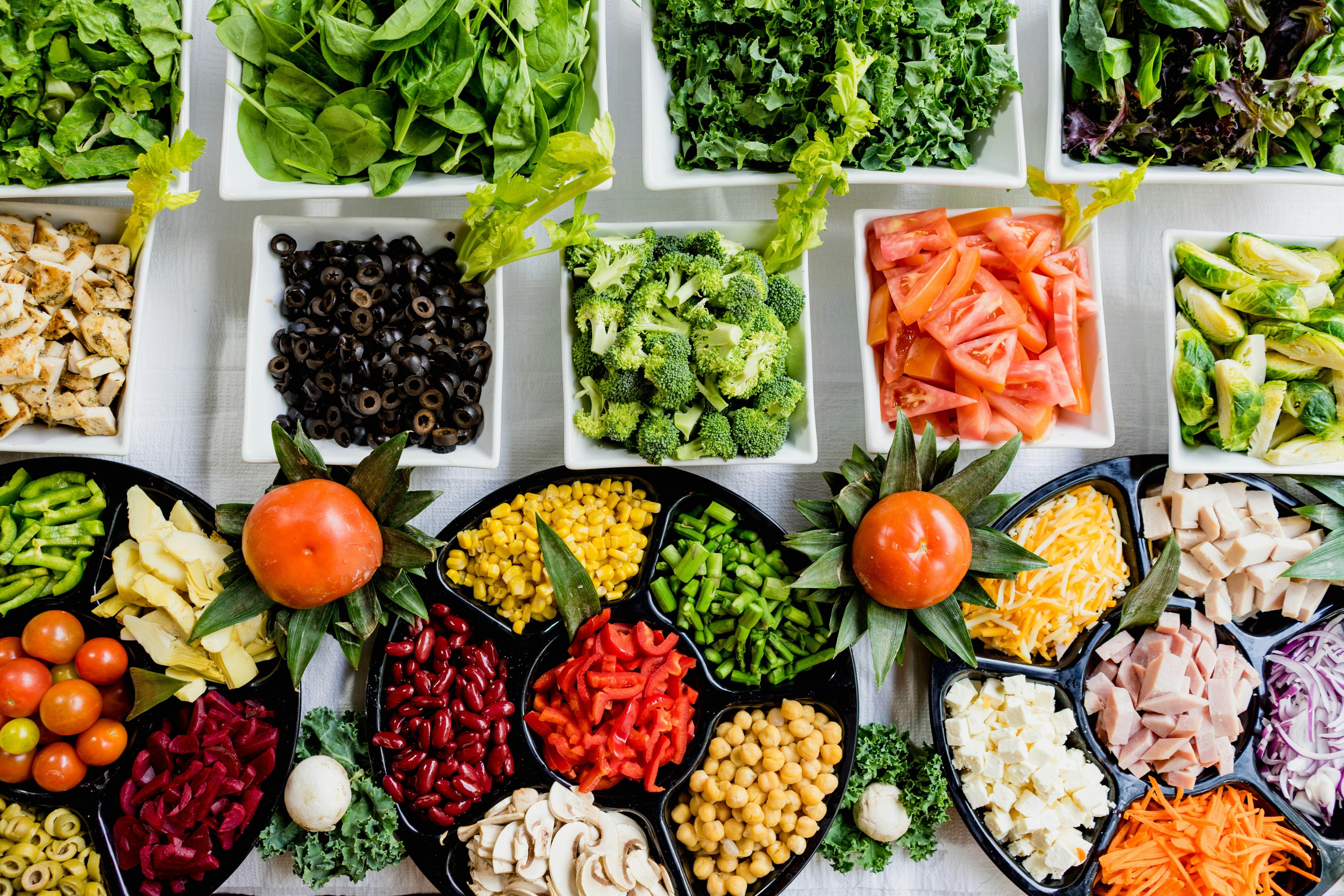 Eating fruits and vegetables every day is one of the simplest and most effective ways to improve your health. They are packed with essential nutrients, antioxidants, and fiber that support your body in many ways. Despite their importance, many people still don’t consume enough fruits and vegetables in their daily meals. By understanding their benefits, you can make better food choices and build a healthier lifestyle.
In this comprehensive guide, we explore the powerful benefits of including fruits and vegetables in your diet and how they contribute to long-term health and well-being.
Eating fruits and vegetables every day is one of the simplest and most effective ways to improve your health. They are packed with essential nutrients, antioxidants, and fiber that support your body in many ways. Despite their importance, many people still don’t consume enough fruits and vegetables in their daily meals. By understanding their benefits, you can make better food choices and build a healthier lifestyle.
In this comprehensive guide, we explore the powerful benefits of including fruits and vegetables in your diet and how they contribute to long-term health and well-being.
Rich in Essential Nutrients
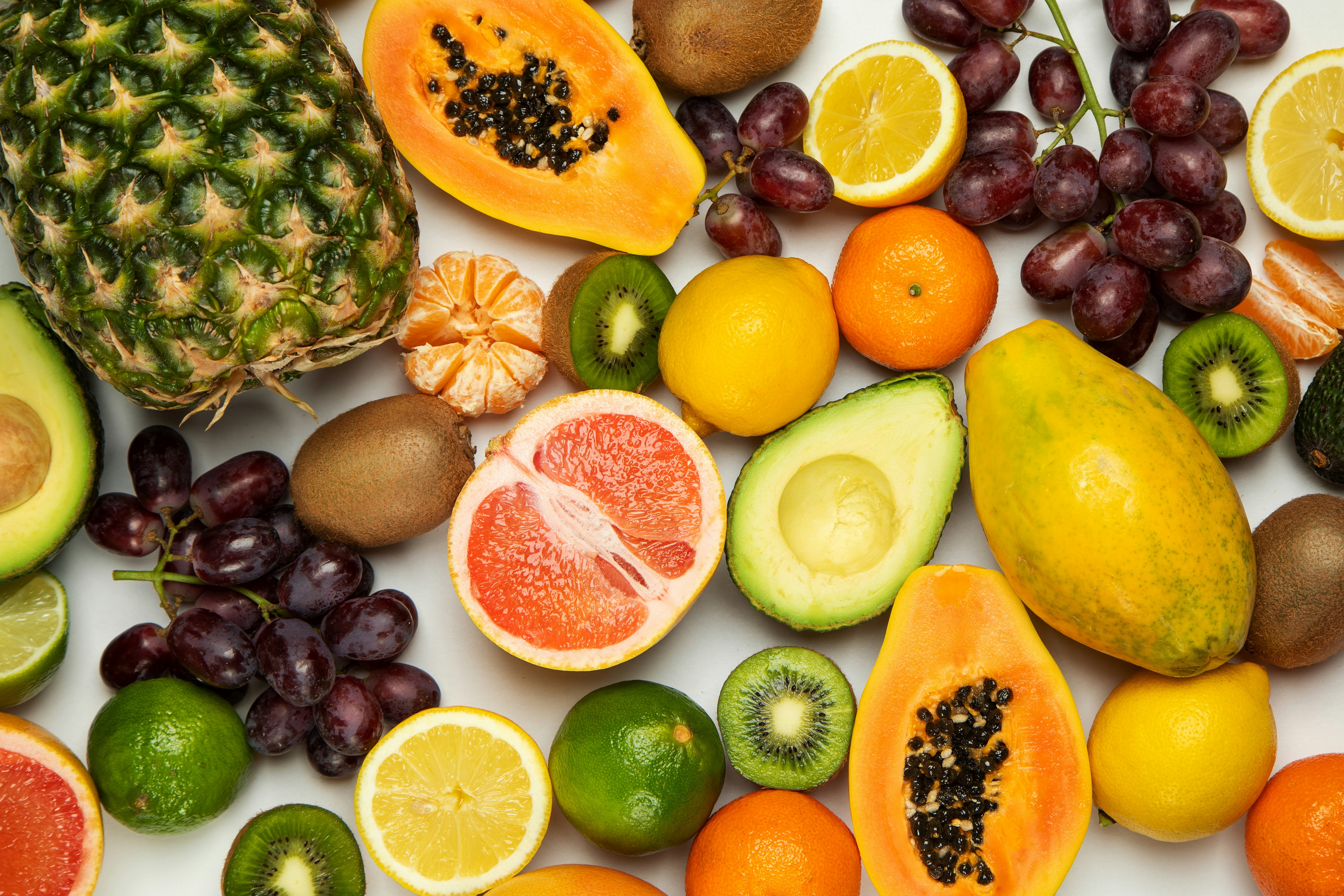
Fruits and vegetables are loaded with vitamins and minerals that your body needs to function properly. They provide nutrients such as vitamin C, vitamin A, potassium, folate, and magnesium. For example, oranges and strawberries are high in vitamin C, which supports the immune system. Leafy greens like spinach and kale provide iron and calcium, which are important for strong bones and healthy blood. By eating a variety of fruits and vegetables, you ensure your body gets a wide range of nutrients necessary for optimal health
Boost the Immune System
A strong immune system helps your body fight infections and diseases. Fruits and vegetables contain antioxidants that protect your cells from damage caused by harmful free radicals. Vitamin-rich foods like citrus fruits, berries, and broccoli enhance the production of white blood cells, which are essential for fighting infections. Including these foods in your diet can help you stay healthier and recover faster from illnesses.
Support Heart Health
Fruits and vegetables are beneficial for heart health. They help lower blood pressure, reduce cholesterol levels, and improve blood circulation. Potassium-rich foods like bananas and leafy greens help regulate blood pressure. Fiber found in fruits and vegetables helps reduce bad cholesterol levels, lowering the risk of heart disease. Eating a diet rich in fruits and vegetables is linked to a lower risk of heart-related conditions.
Help with Weight Management
If you’re trying to lose or maintain weight, fruits and vegetables are your best friends. They are low in calories and high in fiber, which helps you feel full for longer. Replacing high-calorie snacks with fruits and vegetables can reduce your overall calorie intake. Fiber slows digestion and prevents overeating, making it easier to manage your weight.
Improve Digestion
Fiber is essential for a healthy digestive system, and fruits and vegetables are excellent sources of it. Fiber helps keep your digestive system running smoothly and prevents constipation. Foods like apples, carrots, and leafy greens support gut health and promote regular bowel movements. A healthy digestive system also improves nutrient absorption.

Enhance Skin Health
Fruits and vegetables contribute to healthy and glowing skin. They contain vitamins and antioxidants that protect your skin from damage and slow down aging. Vitamin C helps produce collagen, which keeps your skin firm and youthful. Antioxidants help reduce wrinkles and protect against environmental damage. Drinking enough water and eating fruits and vegetables together can significantly improve your skin’s appearance.
Increase Energy Levels
Eating nutrient-rich foods like fruits and vegetables provides your body with natural energy. Unlike processed foods that cause energy crashes, fruits and vegetables provide steady energy throughout the day. Carbohydrates in fruits provide quick energy, while fiber ensures it is released slowly. This helps maintain stable energy levels and improves productivity.

Support Brain Function
Fruits and vegetables play a role in improving brain health. Antioxidants and vitamins help protect brain cells and improve memory and concentration. Foods like berries, leafy greens, and avocados are known to support cognitive function. Including these in your diet can help you stay mentally sharp and focused.
Reduce Risk of Chronic Diseases
A diet rich in fruits and vegetables can lower the risk of chronic diseases such as diabetes, cancer, and heart disease. Their high antioxidant content helps protect your cells from damage and reduces inflammation in the body. Over time, this lowers the risk of developing serious health conditions.
Promote Hydration
Many fruits and vegetables have high water content, which helps keep your body hydrated. Foods like watermelon, cucumbers, and oranges contribute to your daily water intake. Proper hydration supports digestion, circulation, and overall body function.
Improve Mood and Mental Health
What you eat can affect how you feel. Fruits and vegetables contain nutrients that support brain health and help regulate mood. A healthy diet rich in plant-based foods is linked to lower levels of stress, anxiety, and depression. Eating well can improve your overall emotional well-being.
Easy Ways to Add More Fruits and Vegetables
If you’re not used to eating enough fruits and vegetables, here are simple ways to include them: Add fruits to your breakfast Include vegetables in every meal Snack on fruits instead of junk food Blend smoothies with fruits and greens Try new recipes and flavors Small changes can make a big difference over time.
Balance and Variety Matter
Eating a variety of fruits and vegetables ensures you get different nutrients. Try to include different colors in your meals, as each color represents different health benefits. Green (spinach, broccoli) – iron and calcium Orange (carrots, oranges) – vitamin A Red (tomatoes, strawberries) – antioxidants A colorful plate is a healthy plate.
Conclusion
Fruits and vegetables are essential for a healthy and balanced diet. They provide important nutrients, support your immune system, improve digestion, and reduce the risk of chronic diseases. Incorporating more fruits and vegetables into your daily meals is a simple yet powerful step toward better health. Start small, stay consistent, and enjoy the benefits over time.
Call to Action
Ready to improve your health naturally? Start adding more fruits and vegetables to your meals today! Share this article with your friends and family, and follow our blog for more tips on healthy living, nutrition, and wellness. Your journey to a healthier life begins with your next meal!
Healthy Longevity App
Build healthy habits, boost your energy, and live a longer life naturally.
📲 Download on Google Play


Comments
Post a Comment