Brain Health for Better Memory and Disease Prevention
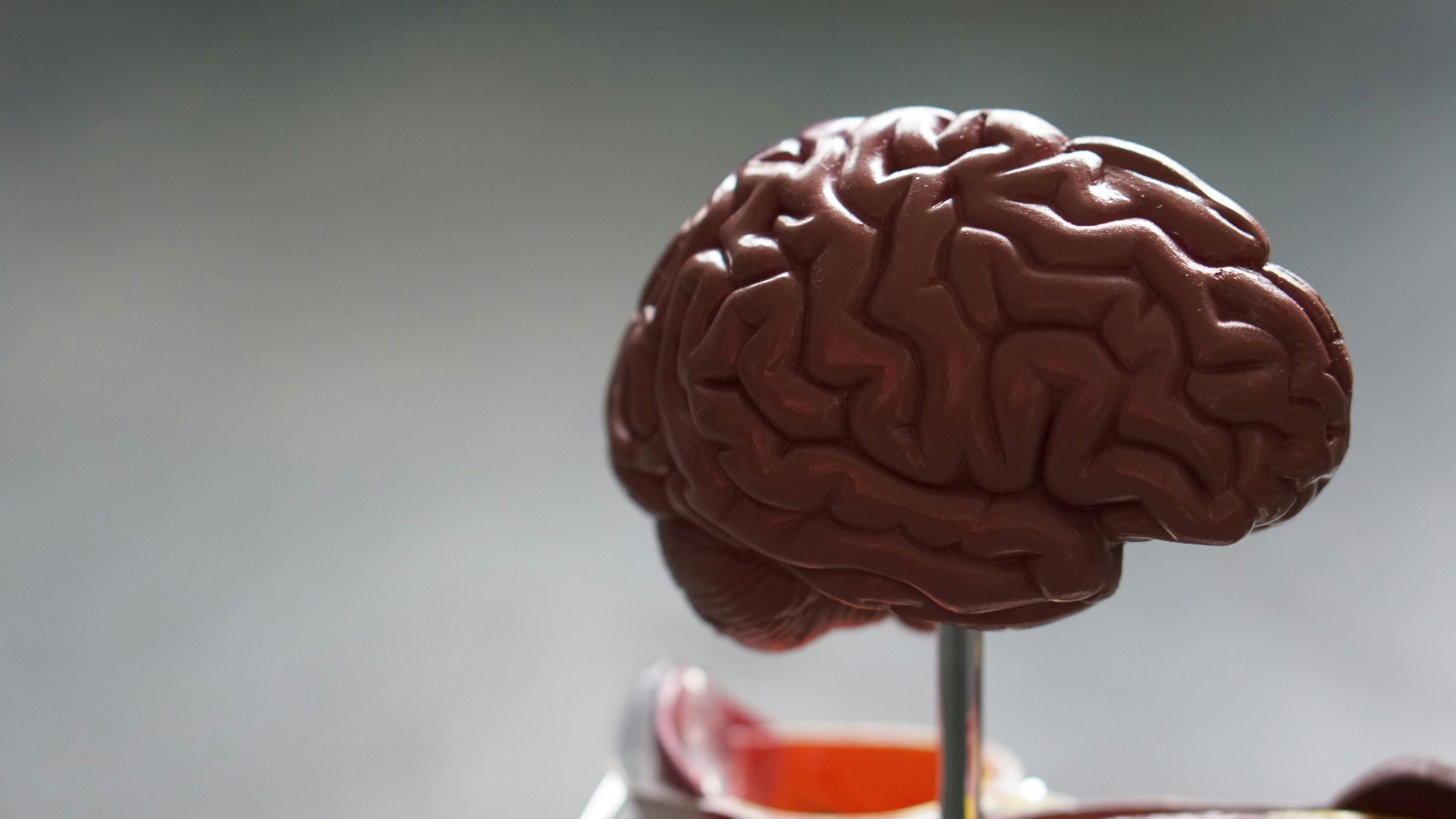 Your brain is your body’s control center—it shapes your thoughts, memories, emotions, and decisions. Whether you’re studying, working, or simply trying to stay sharp as you age, maintaining strong brain health is one of the best investments you can make. The encouraging part is that improving memory and preventing cognitive decline is not reserved for later life. It starts with simple daily habits you can adopt right now.
In this comprehensive guide, you’ll learn how to boost your memory, protect your brain from disease, and build long-term mental resilience.
Your brain is your body’s control center—it shapes your thoughts, memories, emotions, and decisions. Whether you’re studying, working, or simply trying to stay sharp as you age, maintaining strong brain health is one of the best investments you can make. The encouraging part is that improving memory and preventing cognitive decline is not reserved for later life. It starts with simple daily habits you can adopt right now.
In this comprehensive guide, you’ll learn how to boost your memory, protect your brain from disease, and build long-term mental resilience.
Understanding Brain Health
Brain health refers to your ability to remember, learn, focus, and maintain mental clarity. As we age, the brain naturally undergoes changes, but lifestyle choices play a major role in how quickly or slowly that happens. Conditions like Alzheimer's disease and dementia are not entirely inevitable. In fact, research shows that up to 40% of dementia cases may be preventable through lifestyle improvements.

Nutrition: Fuel Your Brain for Peak Performance
The food you eat directly affects your brain structure and function. Diets rich in whole, natural foods support memory and reduce inflammation. One of the most recommended eating patterns is the Mediterranean diet, which emphasizes healthy fats, vegetables, and lean proteins. Best Brain Foods Fatty fish: Rich in omega-3 fatty acids that build brain cells Leafy greens: Packed with vitamin K and folate Berries: High in antioxidants that fight brain aging Nuts and seeds: Improve cognitive function and memory Whole grains: Provide steady energy to the brain What to Avoid Processed foods Excess sugar Trans fats These can increase inflammation and impair memory over time.

Exercise: Boost Brain Power Naturally
Physical activity is not just for your body—it’s essential for your brain. Exercise increases blood flow, oxygen delivery, and the release of brain-protective chemicals. Regular movement helps reduce the risk of conditions like stroke, hypertension, and Type 2 diabetes, all of which are linked to cognitive decline. Recommended Routine 30 minutes of moderate exercise (walking, jogging, cycling) Strength training 2–3 times per week Stretching or yoga for flexibility and stress relief Exercise also stimulates the growth of new brain cells, especially in areas responsible for memory.

Sleep: The Brain’s Repair System
Sleep is essential for memory consolidation and toxin removal. During deep sleep, your brain clears waste proteins that are associated with neurodegenerative diseases. Lack of sleep is strongly associated with memory loss and increased risk of Alzheimer's disease. Sleep Tips Aim for 7–9 hours per night Maintain a consistent sleep schedule Avoid screens before bedtime Create a calm sleeping environment Good sleep improves focus, learning ability, and emotional stability.
Mental Stimulation: Keep Your Brain Active
Your brain works like a muscle—the more you use it, the stronger it becomes. Activities to Try Reading books or articles Solving puzzles and brain games Learning a new language or skill Playing musical instruments These activities strengthen neural connections and build cognitive reserve, helping delay symptoms of dementia.
Stress Management: Protect Your Brain Cells
Chronic stress releases cortisol, a hormone that can damage brain cells and shrink memory-related areas of the brain. Effective Stress-Relief Techniques Meditation and mindfulness Deep breathing exercises Physical activity Spending time outdoors Even a few minutes of daily relaxation can significantly improve mental clarity and emotional balance.

Social Connection: A Hidden Brain Booster
Humans are social by nature, and meaningful relationships are vital for brain health. Regular interaction stimulates thinking, improves mood, and reduces the risk of depression. Ways to Stay Connected Spend time with family and friends Join clubs or community groups Participate in group activities Social engagement has been shown to slow cognitive decline and improve overall mental well-being.

Avoid Harmful Habits
Certain lifestyle choices can accelerate brain aging and increase disease risk. Habits to Limit or Avoid Smoking Excessive alcohol consumption Sedentary lifestyle Poor diet These behaviors can damage blood vessels, reduce oxygen supply to the brain, and increase the likelihood of stroke and neurodegenerative diseases.
Hydration: Keep Your Brain Functioning Smoothly
Your brain is about 75% water, and even mild dehydration can affect memory, focus, and mood. Hydration Tips Drink water consistently throughout the day Reduce sugary beverages Increase water intake during hot weather or exercise Staying hydrated supports optimal brain performance.
Manage Chronic Health Conditions
Conditions like high blood pressure, obesity, and diabetes can harm brain health if not properly managed. For example, hypertension can damage blood vessels in the brain, while Type 2 diabetes can impair memory and cognitive function. What You Can Do Monitor your health regularly Follow medical advice Maintain a healthy lifestyle Taking care of your body protects your brain as well.
Build a Brain-Healthy Daily Routine
Consistency is key when it comes to brain health. Small daily habits add up over time. Sample Routine Morning walk or exercise Balanced meals with brain-friendly foods Short mental activity (reading or puzzles) Social interaction or conversation Relaxation or mindfulness practice Quality sleep Long-Term Benefits of Brain Care By adopting these habits, you can: Improve memory and concentration Increase mental clarity Reduce the risk of cognitive decline Enhance mood and emotional health Maintain independence as you age
Conclusion
Brain health is not something to think about only in old age—it’s a lifelong journey. The choices you make today directly influence how well your brain performs tomorrow. You don’t need complicated routines or expensive treatments. Focus on simple, consistent habits like eating well, staying active, sleeping properly, and keeping your mind engaged. Over time, these actions can significantly reduce your risk of conditions like Alzheimer's disease and dementia while helping you stay sharp, focused, and mentally strong.
Call to Action
Start improving your brain health today: Choose one healthy habit from this guide Practice it consistently for a week Gradually add more habits over time Your future memory, focus, and overall well-being depend on what you do today.
Healthy Longevity App
Build healthy habits, boost your energy, and live a longer life naturally.
📲 Download on Google Play


Comments
Post a Comment