Heart Health and Electrolytes: The Essential Guide to a Stronger, Healthier Heart
Maintaining heart health starts with proper nutrition and electrolyte balance.
What Are Electrolytes?
Electrolytes are minerals that carry an electric charge when dissolved in fluids like blood. They are essential for many body functions, including: Regulating heartbeat Controlling muscle contractions Maintaining fluid balance Supporting nerve signals The most important electrolytes for heart health include: Potassium Sodium Magnesium Calcium
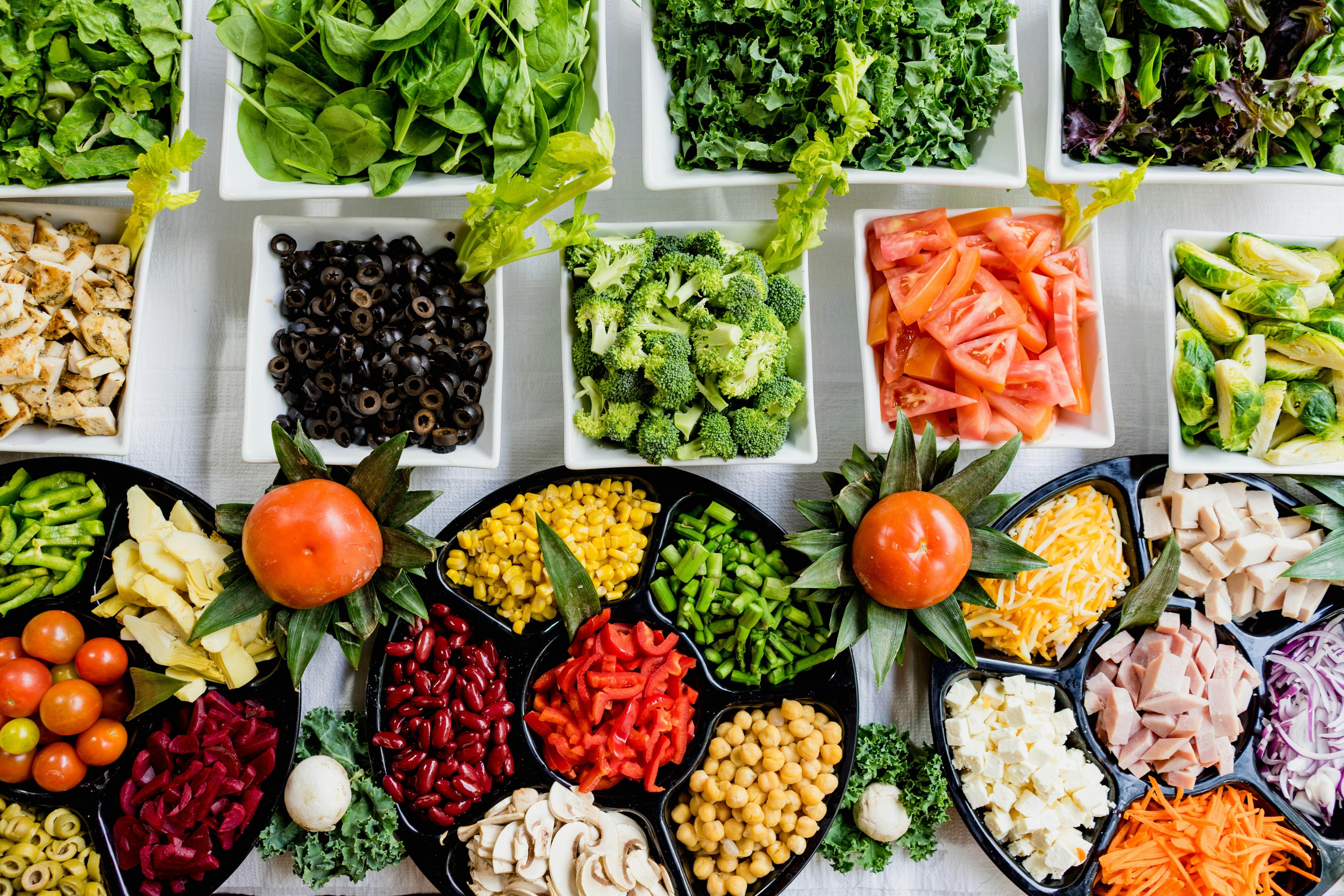
Fruits and vegetables are excellent natural sources of essential electrolytes.
How Electrolytes Affect Heart Health
Your heart relies on electrical signals to maintain a steady rhythm. Electrolytes help generate and regulate these signals. 1. Potassium: The Heart Rhythm Stabilizer Potassium helps your heart beat regularly and prevents irregular rhythms (arrhythmias). Best sources: Bananas Spinach Avocados Sweet potatoes Low potassium levels can lead to fatigue, muscle cramps, and even dangerous heart rhythm problems. 2. Sodium: Balance Is Key Sodium helps control fluid balance and blood pressure. However, too much sodium can raise blood pressure and strain your heart. Healthy tip: Limit processed foods and aim for natural sources like: Sea salt (in moderation) Whole foods 3. Magnesium: The Relaxation Mineral Magnesium helps your heart muscle relax after each contraction. Benefits include: Lower blood pressure Reduced risk of heart disease Improved circulation Foods rich in magnesium: Nuts (almonds, cashews) Dark leafy greens Whole grains 4. Calcium: More Than Bone Health Calcium plays a role in heart muscle contraction and blood clotting. Good sources: Dairy products Leafy greens Fortified foods
Signs of Electrolyte Imbalance
An imbalance can disrupt your heart and overall health. Watch for these symptoms: Irregular heartbeat Fatigue or weakness Muscle cramps Dizziness High or low blood pressure If symptoms persist, consult a healthcare professional.
Staying hydrated helps maintain proper electrolyte balance in the body.
Hydration and Heart Health
Electrolytes work hand-in-hand with fluids. Without proper hydration, your body cannot maintain balance. Tips for Staying Hydrated: Drink 6–8 glasses of water daily Increase intake during exercise or hot weather Include natural electrolyte drinks like coconut water
Best Diet for Heart and Electrolyte Balance
A balanced diet supports both heart health and electrolyte stability. Include: Fruits and vegetables Lean proteins Whole grains Healthy fats (olive oil, nuts) Avoid: Processed foods Excess sugar Too much salt
Balanced Diet for Heart Health
Maintaining electrolyte balance is just one part of heart health. Combine it with these habits: Stay Active Aim for at least 30 minutes of exercise daily. Manage Stress Practice meditation, deep breathing, or yoga. Get Enough Sleep 7–9 hours per night supports heart recovery. Avoid Smoking and Excess Alcohol These can disrupt electrolyte levels and damage your heart. Special Considerations Certain conditions and situations can affect electrolyte balance: Intense exercise or sweating Illness (vomiting or diarrhea) Medications (like diuretics) Chronic diseases (kidney or heart conditions) Always monitor your intake if you fall into these categories.
Why Electrolyte Balance Matters More Than You Think
Even small imbalances can have a big impact on your cardiovascular system. Maintaining proper levels helps: Keep your heartbeat steady Prevent high blood pressure Improve overall energy levels Support long-term heart health Simple Daily Routine for Heart Health Morning: Drink water with lemon Eat a potassium-rich fruit Afternoon: Balanced meal with greens and protein Evening: Light exercise or walk Hydrate and avoid heavy salty foods
Conclusion
Your heart depends on the delicate balance of electrolytes to function properly. By eating the right foods, staying hydrated, and maintaining a healthy lifestyle, you can protect your heart and improve your overall well-being
Call to Action
Start improving your heart health today! Add one electrolyte-rich food to your meals Drink more water Take a short walk daily Want more health tips? Bookmark this page, share it with friends, and stay tuned for more guides on living a healthier life!
Healthy Longevity App
Build healthy habits, boost your energy, and live a longer life naturally.
📲 Download on Google Play


Comments
Post a Comment