Simple Meal Planning for Healthy Living
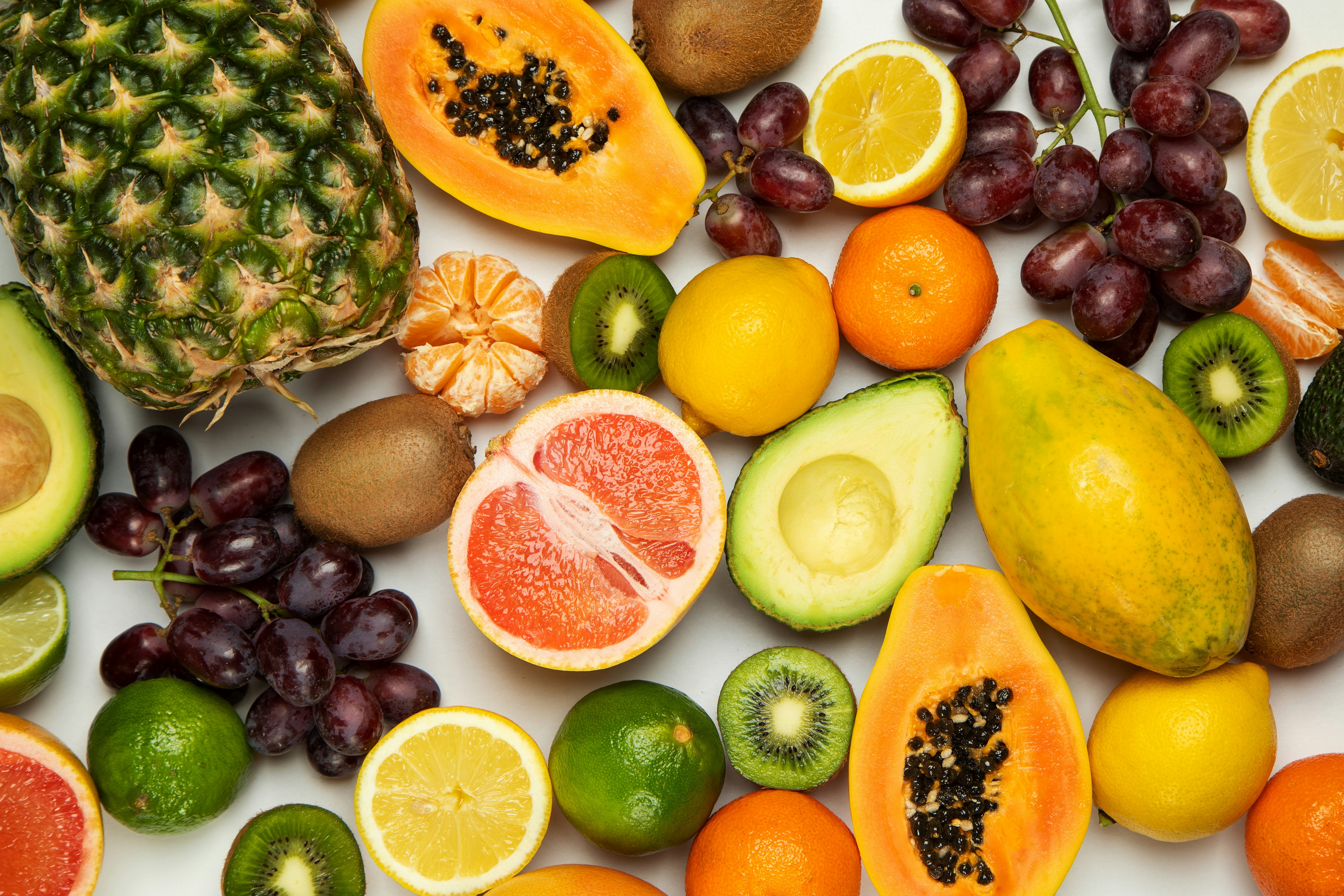 Healthy eating doesn’t have to be complicated or expensive. One of the most effective ways to maintain a balanced diet is through simple meal planning. By planning your meals in advance, you can save time, reduce stress, avoid unhealthy food choices, and ensure your body gets the nutrients it needs. Whether you’re a beginner or someone looking to improve your routine, this guide will help you create an easy and practical meal plan for a healthier lifestyle.
What Is Meal Planning?
Meal planning is the process of deciding in advance what you will eat for your meals throughout the day or week. It involves selecting recipes, preparing ingredients, and organizing your meals to ensure balance and variety. Instead of wondering what to eat at the last minute, meal planning helps you stay in control of your diet. It reduces the temptation to order fast food or eat unhealthy snacks.
Benefits of Meal Planning
Meal planning offers many benefits for both your health and lifestyle: Saves time: You spend less time deciding what to cook Saves money: Buying in bulk reduces food costs Reduces stress: No last-minute meal decisions Promotes healthy eating: Encourages balanced meals Reduces food waste: You use what you buy By planning ahead, you make healthier choices more consistently.
Start with a Balanced Plate
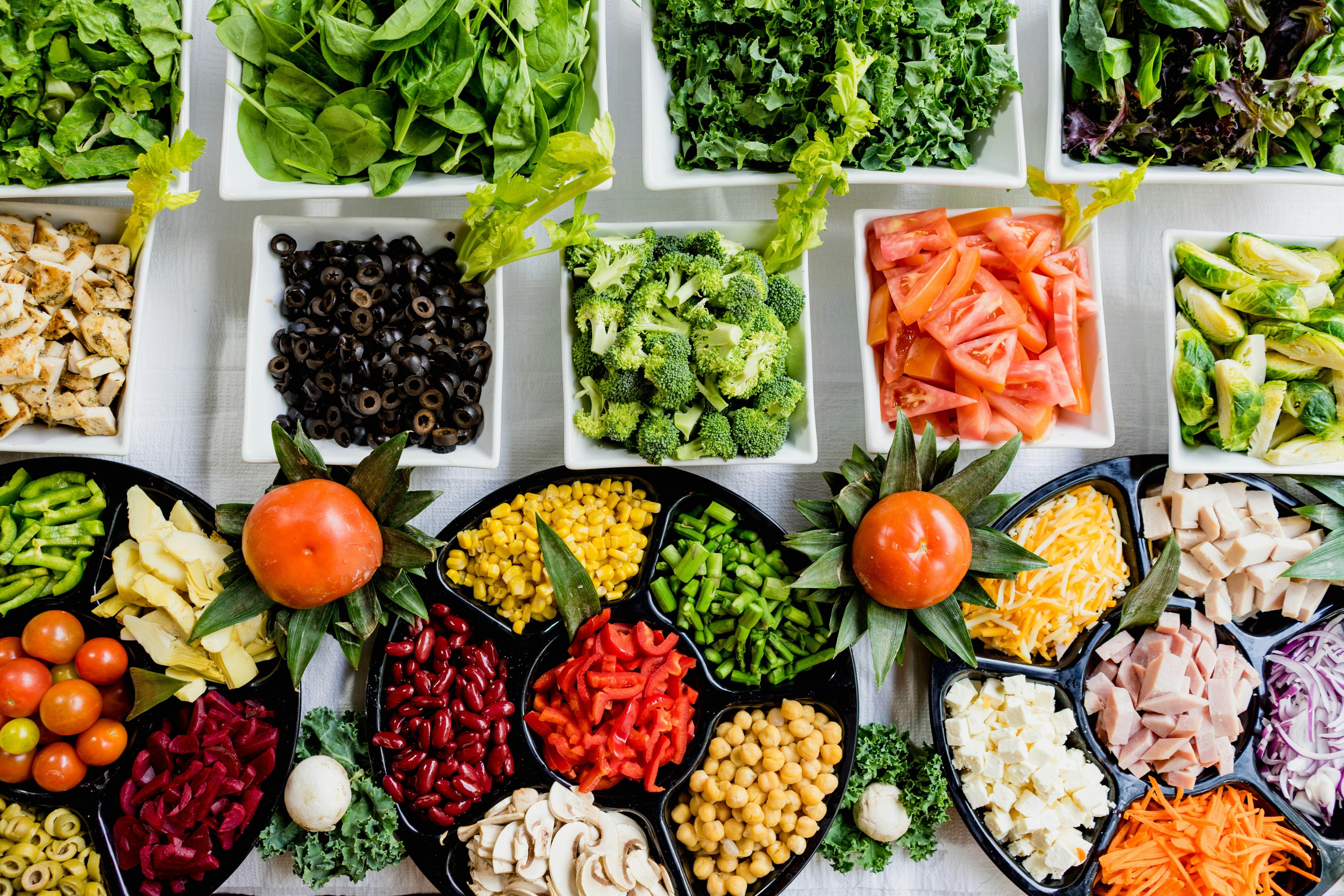
A healthy meal should include a balance of nutrients: Vegetables and fruits (50%) – Rich in vitamins and fiber Protein (25%) – Supports muscle and body repair Whole grains (25%) – Provides energy and fiber Healthy fats – Supports brain and heart health This simple plate method ensures you get all essential nutrients.
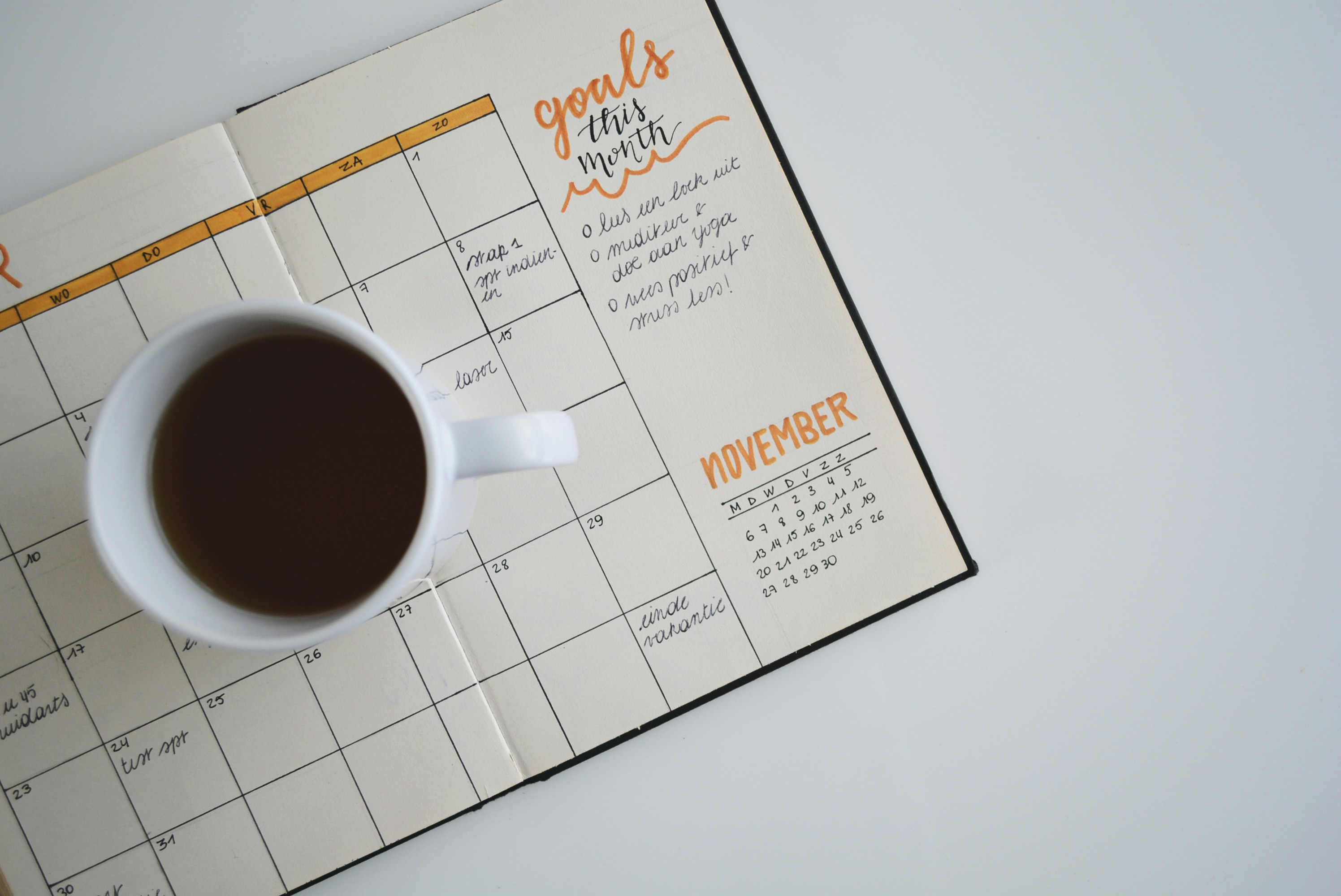
Plan Your Weekly Meals
Start by planning your meals for the week. This helps you stay organized and avoid unhealthy choices. Steps to plan your week: Choose simple recipes Make a grocery list Prep ingredients in advance Cook in batches when possible You can plan breakfast, lunch, dinner, and snacks. Keep it simple and realistic.
Easy Healthy Breakfast Ideas
Breakfast is important for starting your day with energy. Simple options: Oatmeal with fruits and nuts Boiled eggs with whole-grain toast Smoothies with fruits and yogurt Yogurt with granola Choose meals that are quick and nutritious.
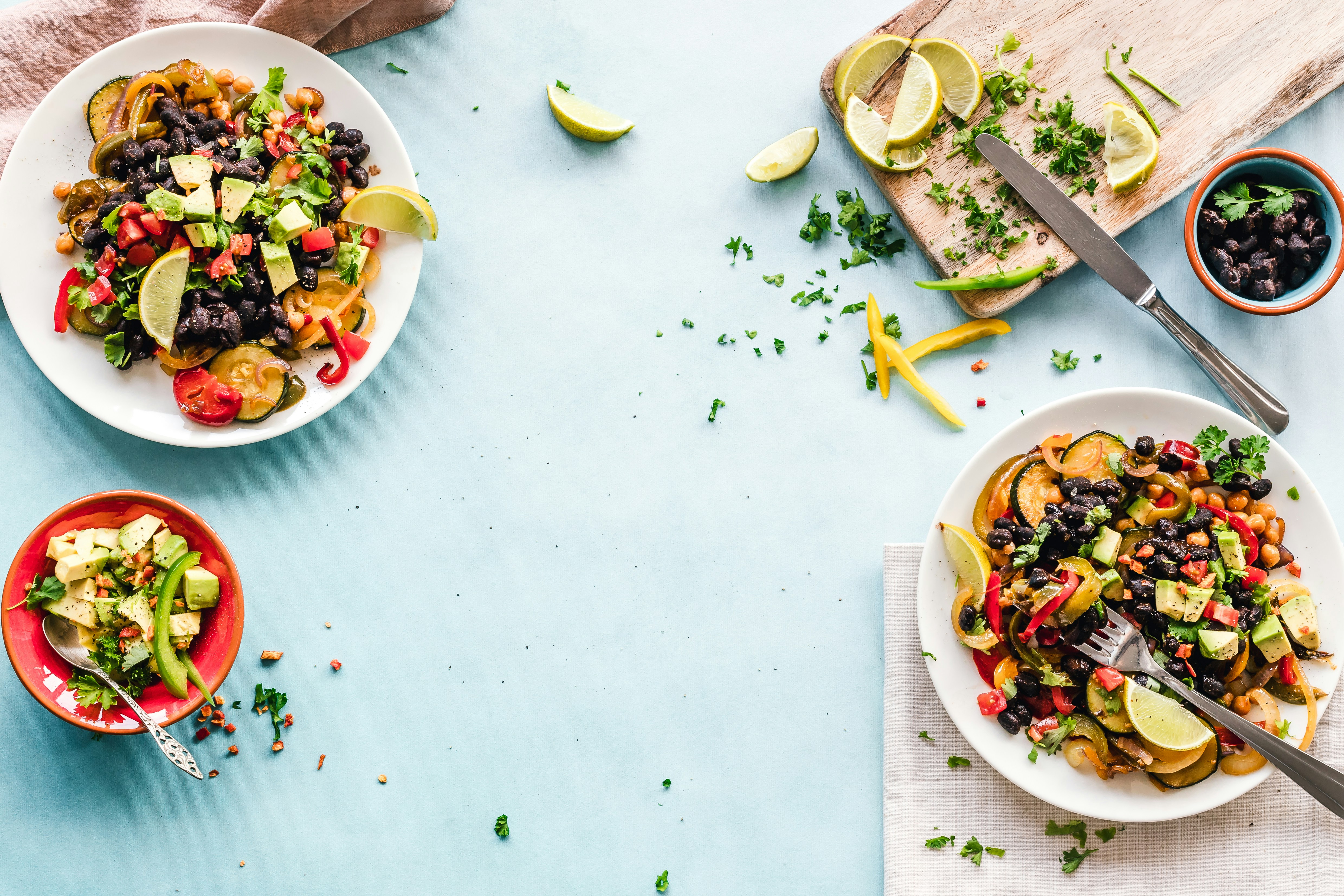
Healthy Lunch Options
Lunch should keep you full and energized throughout the day. Ideas: Grilled chicken with vegetables Rice and beans with salad Whole-grain sandwiches Leftovers from dinner Pack your lunch to avoid unhealthy fast food.
Nutritious Dinner Choices
Dinner should be balanced but not too heavy. Examples: Grilled fish with vegetables Chicken stir-fry with brown rice Vegetable soup with whole-grain bread Lentils with steamed vegetables Keep dinners simple and easy to prepare.
Smart Snacking
Healthy snacks help maintain energy levels between meals. Snack ideas: Fruits like apples and bananas Nuts and seeds Yogurt Carrot sticks with hummus Avoid processed snacks high in sugar and salt.
Grocery Shopping Tips
Planning your meals makes shopping easier and more efficient. Tips: Stick to your grocery list Buy fresh and whole foods Avoid shopping when hungry Choose seasonal produce This helps you stay on budget and eat healthier.
Meal Prep for Success
Meal prepping saves time during busy days. Simple meal prep ideas: Cook grains in bulk Chop vegetables in advance Store meals in containers Freeze extra portions Preparing meals ahead ensures you always have healthy options available.
Keep It Simple and Flexible
You don’t need a perfect plan. Keep your meals simple and adaptable. Repeat meals you enjoy Swap ingredients when needed Allow room for occasional treats Flexibility helps you stay consistent without feeling restricted.
Don’t Forget Hydration
Water is an important part of your meal plan. Drink enough water throughout the day to support digestion and overall health.
Mindful Eating Matters
Meal planning is not just about what you eat, but also how you eat. Eat slowly Avoid distractions Listen to your hunger cues Mindful eating improves digestion and prevents overeating.
Sample Simple Meal Plan
Breakfast: Oatmeal with fruits Lunch: Grilled chicken with rice and vegetables Snack: Apple and nuts Dinner: Vegetable soup with whole-grain bread This simple structure can be adjusted based on your preferences.
Conclusion
Simple meal planning is a powerful tool for healthy living. It helps you stay organized, eat balanced meals, and avoid unhealthy food choices. By planning your meals, shopping wisely, and preparing food in advance, you can build a sustainable and healthy lifestyle. Remember, healthy eating doesn’t have to be complicated. Start small, stay consistent, and make adjustments as needed.
Call to Action (CTA)
Ready to take control of your health through meal planning? Start today by planning your meals for the next few days. Share this article with your friends and family, and follow our blog for more tips on healthy eating, nutrition, and wellness. Your journey to a healthier lifestyle begins with one simple plan!
Healthy Longevity App
Build healthy habits, boost your energy, and live a longer life naturally.
📲 Download on Google Play


Comments
Post a Comment